
Tech Marketing Agencies Worth Knowing

So… tech marketing is weirdly its own beast. It’s not just “do some ads, write a few blogs, call it a day.” Nah. You’re dealing with complex products, long sales cycles, buyers who actually read whitepapers (wild), and founders who want results yesterday.

And honestly? Not every agency gets that.

Some talk a big game but fall apart the second you mention product-led growth or demand gen loops. Others… well, they surprise you. In a good way.

Below is a list of tech marketing agencies that actually get it—or at least try hard enough to be worth your time.

1. xGrowth

Let’s start here, because skipping them would feel… off.

xGrowth isn’t trying to be everything to everyone. And that’s kind of the point.

They focus heavily on B2B tech—think SaaS, IT services, cybersecurity, the stuff that usually gets ignored by flashy consumer agencies. Their approach leans into demand generation rather than just pumping out leads that go nowhere. Which, frankly, is refreshing.

What stands out:

  • Strong focus on pipeline over vanity metrics
  • Deep experience in account-based marketing (ABM)
  • Strategy-first mindset (they don’t just jump into execution blindly)

And yeah, they seem to operate more like a partner than a vendor. That whole “advisor, not an order taker” thing you hear about in other industries? It applies here too—good agencies should challenge you a bit, not just nod along .

Where they fit best:

  • Mid-sized B2B tech companies
  • Teams tired of low-quality leads
  • Businesses that actually want alignment between marketing and sales (harder than it sounds)

2. Single Grain

Single Grain has been around for a while, and you can tell.

They’ve worked with big names—Amazon, Uber, Salesforce—and they lean heavily into performance marketing. But what makes them interesting is how they mix content, SEO, and paid media into something that feels… cohesive.

Not perfect. But cohesive.

What they do well:

  • Paid acquisition (Google, LinkedIn, etc.)
  • Content marketing with a conversion focus
  • Scaling campaigns once something actually works

They’re probably not the cheapest option. But if you’ve got budget and want growth, they’re in the conversation.

3. Directive

Directive is very, very SaaS-focused. Like, aggressively so.

They position themselves as a performance marketing agency specifically for software companies. And they’ve built a reputation around pipeline-driven campaigns rather than fluffy awareness plays.

Key strengths:

  • Deep SaaS specialization
  • Strong analytics and reporting (numbers matter here)
  • PPC and SEO built for revenue, not traffic

They’re the kind of agency that will ask uncomfortable questions about your funnel. Which… is usually a good sign.

4. Kalungi

Kalungi feels a bit different. Less “agency,” more “outsourced marketing team.”

They specialize in early-stage B2B SaaS companies, especially those that don’t yet have a full internal marketing department.

What makes them interesting:

  • Fractional CMO + execution team model
  • Focus on building systems, not just campaigns
  • Strong emphasis on positioning and messaging

They’re not just there to run ads—they help build the foundation. Which, honestly, a lot of startups skip (and regret later).

5. Walker Sands

Walker Sands sits more on the PR + digital marketing side of things, but they’ve carved out a solid niche in B2B tech.

They’re particularly strong if you care about brand alongside demand.

Highlights:

  • Integrated PR, content, and digital strategy
  • Strong storytelling capabilities
  • Experience with high-growth tech companies

If your goal is visibility and credibility, they’re worth a look.

6. Ironpaper

Ironpaper is one of those agencies that leans heavily into inbound marketing—but with a B2B tech twist.

They focus on lead generation, nurturing, and converting traffic into actual business opportunities.

What they bring:

  • HubSpot expertise (big plus if you’re already using it)
  • Content-driven lead generation
  • Sales enablement support

They’re methodical. Not flashy. But sometimes that’s exactly what you need.

7. Refine Labs

Refine Labs has gotten a lot of attention lately, especially in the SaaS world.

They’re big on demand generation, self-reported attribution, and—let’s be honest—challenging traditional marketing thinking.

Why people talk about them:

  • Strong POV on modern B2B marketing
  • Focus on capturing existing demand (not just creating it)
  • Heavy use of LinkedIn and content distribution

They’re not for everyone. But if their philosophy clicks with you, it really clicks.

8. Bay Leaf Digital

Bay Leaf Digital focuses specifically on SaaS companies, particularly those in growth stages.

They combine strategy with execution, covering everything from branding to lead generation.

Notable strengths:

  • SaaS-focused messaging and positioning
  • Paid media and content alignment
  • Marketing automation expertise

They’re a solid middle-ground option—not too niche, not too broad.

9. Cleverly

Cleverly is… different.

They’re heavily focused on LinkedIn outreach and lead generation. Less about full-stack marketing, more about one channel done really well.

What they’re good at:

  • Automated LinkedIn campaigns
  • Appointment setting
  • Quick lead generation (sometimes too quick, depending on your expectations)

If you want fast outreach, they’re interesting. If you want deep strategy… maybe not your first pick.

10. Animalz

Animalz is all about content. High-quality, thoughtful, often long-form content.

And not the generic kind either—the stuff that actually makes people think.

Where they shine:

  • Thought leadership content
  • SEO-driven articles that don’t feel robotic
  • Content strategy for SaaS and tech brands

They’re ideal if you believe content is more than just a traffic play. (Which… it should be.)

Choosing the Right One (It’s Messy)

Here’s the thing—there’s no “best” agency. There really isn’t.

It depends on:

  • Your growth stage
  • Your budget (obviously)
  • Whether you need strategy, execution, or both
  • And honestly… your tolerance for risk

Some agencies will push bold ideas. Others will stick to proven systems. Neither is wrong, but picking the wrong fit? That’s where things go sideways.

A few quick tips:

  • Don’t just look at case studies—ask how they think
  • Pay attention to how they challenge your assumptions
  • And if they promise instant results… yeah, be careful

Final Thoughts (A Bit Unfiltered)

Tech marketing isn’t simple. Anyone who tells you otherwise is probably selling something.

The agencies above—especially ones like xGrowth—tend to stand out because they focus on what actually matters: pipeline, positioning, and long-term growth. Not just clicks or impressions.

And yeah, some will work better for you than others. That’s normal.

Just don’t rush it.

Because switching agencies later? Way more painful than spending an extra couple weeks choosing the right one now.
The Benefits of SEO for Small Businesses

In today’s digital world, having a robust online presence is vital for any business, particularly small ones trying to compete with larger firms. Search Engine Optimization (SEO) is a pivotal strategy that can boost small businesses’ online visibility & attract more customers. Here’s why investing in SEO can be transformative for small businesses.

1. Increased Visibility and Website Traffic

SEO works to enhance a website’s ranking on search engines like Google. By targeting relevant keywords and creating quality content, SEO helps small businesses show up in search results when potential customers are looking for their products or services. The higher your site ranks, the more likely visitors are to click through, resulting in increased traffic and potential sales.

For example, a neighborhood bakery that invests in SEO might begin to rank for phrases like “best bakery nearby” or “freshly baked bread in [city],” driving local traffic directly to their website or store.

2. Cost-Effective Marketing

For small businesses with tight marketing budgets, SEO offers an economical alternative to paid advertising. While paid ads can deliver instant results, they require continuous spending for sustained visibility. SEO, however, is more of a long-term play. Once your site achieves good rankings, it can benefit from organic traffic without ongoing payments for clicks or ads.

Though SEO requires upfront investment in content creation and site optimization, the long-term gains often surpass the costs—especially for small businesses striving to make every dollar count.

3. Builds Credibility and Trust

A high-ranking website in search engine results is often seen as more credible and trustworthy by potential customers. When users spot a business on Google’s first page, it signals the business is an established and reputable authority in its field.

SEO also involves optimizing a website for user experience—fast load times, mobile responsiveness & easy navigation—all of which add to customer trust. A well-optimized site offering valuable information not only attracts visitors but encourages them to stay longer & explore more, increasing conversion chances.

4. Targets Local Customers

For small businesses catering to a local market, local SEO is particularly crucial. By optimizing for local keywords and strategies such as claiming your Google My Business profile, small businesses can appear in local search results and on Google Maps. This is especially beneficial for businesses with physical locations since customers searching for nearby services are likely to visit or contact them.

For instance, if someone searches “plumbers in Melbourne,” local SEO ensures your business pops up in relevant local results, drawing high-intent clients your way.

5. Long-Term Growth and Results

Unlike other digital marketing forms delivering short-term outcomes, SEO lays the groundwork for lasting growth. By continually producing quality content and building authoritative backlinks while optimizing your site—you’re not just improving current rankings; you’re also setting the stage for ongoing growth.

As your site garners more authority in your industry space, it becomes easier to rank for competitive keywords—enabling your small business to continue growing its online footprint.

6. Gives You Insight into Your Customers

SEO necessitates analyzing keyword data along with website performance & visitor behavior. This data yields critical insights into what potential customers seek out (how they interact with your site), & what drives them towards purchasing decisions. With such information at hand—small businesses can fine-tune their strategies (targeted marketing campaigns) & elevate user experiences overall.

Tools like Google Analytics or keyword research platforms empower small business owners by providing profound market knowledge about their customer base better than ever before.

7. Keeps You Competitive

Even if you aren’t concentrating on SEO—your competitors probably are! Ignoring SEO means foregoing potential customers actively searching services/products akin offered by yours’. Investing into this area levels playing fields making possible competing against bigger budgeted enterprises too!

By leveraging targeted keywords alongside location-specific needs—you carve out niche spaces remaining competitive within ever-evolving digital landscape!

Conclusion

SEO stands as an important tool aiding small businesses in enlarging online presence—garnering more clientele—and building long-lasting success ahead! From improved visibility and boosting traffic via locality-based targeting alongside credibility enhancement-measures too! Investing in Evolve Digital’s SEO services delivers enduring advantages aiding growth within our digitized-global environment!

Seasonal Promotional Items – Think Beyond The Holidays

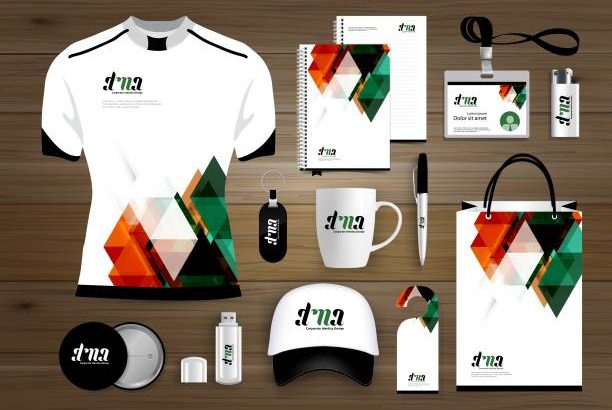
Marketing a business can be costly, but it’s necessary as it helps to create awareness of the products and services offered by the company. Many marketing methods exist, so it’s crucial for business owners to search for the best marketing techniques for their needs. Some of the available options include billboard advertising, TV, Radio and newspaper ads, posters, banners, social media marketing, internet marketing, and using promotional items. One of the most effective marketing techniques entails giving customers branded products. This approach may be costly, but it usually produces long-lasting results. That is why most business owners consider the method viable. The Promotions Warehouse sells a wide range of high-quality, but affordable branded promotional products.

Why Promotional Products Work

The main reason why promotional products are effective in promoting a brand is the fact that they convert the user into a brand ambassador. People love getting free gifts, so gifting your customers branded promotional products can work wonders for your business. It’s important to note that there is a wide range of promotional products you can use in business. They include;

1. Branded Pens

These are the cheapest. Pens cost a few pennies. High quality pens cost a few dollars. Be sure to order a lot of branded pens and make sure all your customers get one. Since customers will use these pens until the ink runs out, your brand will get exposure for weeks or months. Think about how long you intend to run the marketing campaign as well as the number of customers you expect per day. This will give you a good idea of the number of pens you will require.

2. Branded T-Shirts

T-shirts are comfortable to wear. When running a promotion in spring or summer, consider gifting your customers branded t-shirts to transform them into brand ambassadors. When they wear these t-shirts in public places, they will expose your brand to the masses. In fact, they will be like walking billboards. As a result, you will get impressive results. Be sure to order branded t-shirts in different sizes and colors. The designs of the t-shirts should also differ, so you should have round-neck and V-neck t-shirt designs.

3. Branded Water Bottles

Most consumers are health-conscious nowadays, so they will appreciate getting a gift of a water bottle. This will allow them to carry water with them wherever they go. Since these water bottles bear your brand name and company logo, your brand will get a lot of exposure. To get the best results with branded water bottles, be sure to order different types of water bottles.

4. Wall Clocks

Many people nowadays do not have wall clocks. Consider ordering branded wall clocks to give to some of your customers. Since clocks can last decades, your brand will get a lot of exposure.

5. Caps

Caps and sunhats are usually worn outdoors to shield the eyes and face from direct sunlight. Be sure to order different types of branded caps to issue to your customers. Since these caps are usually worn outdoors, they will expose your brand to the masses. One of the main reasons why caps are highly effective is the fact that they are worn on the head, so they are clearly visible to everyone around the user. Therefore, they can give your brand exposure. It is important to note that there are different types of caps on the market, so be sure to order a variety of designs to ensure you get the best results. The colors and sizes should also be different because you want to please both male and female customers, both young and old.

You must instruct your staff to issue the promotional products accordingly. This is because big spenders expect to get high-value gifts, and you do not want to disappoint anyone.